

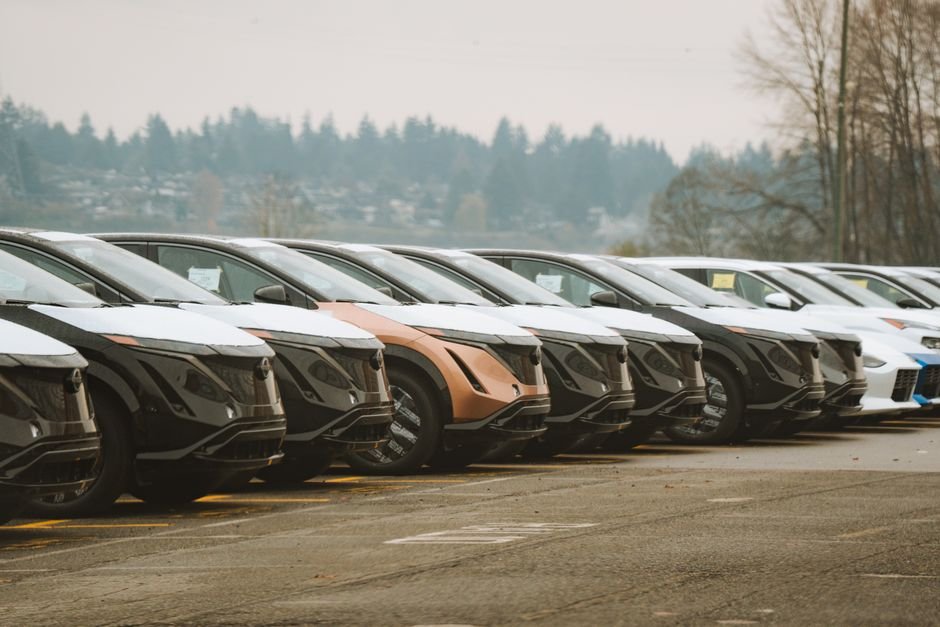
Headlines about Carvana have swung wildly over the past few years. In 2022, the coverage was all doom — “on the brink of bankruptcy,” stock nearly wiped out, mass layoffs. By 2026, the same company was posting record profits and selling more cars than ever. If you’re trying to figure out what’s actually true right now, the noise makes it genuinely hard to tell.
This article breaks down the real picture: whether Carvana is financially stable today, what caused the 2022–2023 crisis, how the company turned things around, and what risks still exist for customers and investors.
Carvana Has Not Filed for Bankruptcy and Is Currently Profitable
Let’s answer the core question directly: Carvana is not going out of business. It has not filed for bankruptcy — not in 2022 and not now.
In fact, the company is currently growing fast and posting record numbers. In Q1 2026, Carvana sold 187,393 retail vehicles — up 40% from the same period a year earlier. Revenue hit $6.43 billion, up 52% year over year. Net income came in at $405 million. All of those were all-time records for the company.
Zoom out to full-year 2025, and the picture is just as strong. Carvana sold 596,641 vehicles — a 43% increase — and hit its highest-ever adjusted EBITDA margin of 11%.
This is not a company on the verge of shutting down. It is a company that nearly collapsed, restructured, and is now operating profitably at scale.
What Went Wrong in 2022–2023 and Why Bankruptcy Fears Were Real
The concern about Carvana going under was not just media panic. There were real reasons to worry.
During the pandemic, used car demand surged. Carvana grew quickly to meet that demand — maybe too quickly. The company made a large acquisition of ADESA, a network of physical auto auction sites, which added heavy debt and high fixed costs to the balance sheet.
When the pandemic-era used car boom faded, demand softened and prices dropped. That squeezed margins and made the debt load harder to manage. Creditors banded together to negotiate a debt restructuring — which is a clear signal that lenders were worried the company could not repay what it owed under the original terms.
The stock fell roughly 99% from its 2021 highs. That kind of collapse triggers a lot of “bankruptcy imminent” coverage, even when a company hasn’t actually filed.
Carvana also laid off about 2,500 employees — around 12% of its workforce. Executives gave up their salaries to help fund severance packages. CEO Ernie Garcia III publicly acknowledged the company had overshot its growth targets.
These were painful moves, but they were cost-control decisions — not signs of a company preparing to close. Companies that are actually shutting down don’t typically spend money on severance or negotiate with creditors. They just stop paying.
How Carvana Makes Money — and Why the Model Changed After the Crisis
To understand why Carvana recovered, it helps to understand how it actually makes money.
Carvana earns from three main areas: retail car sales, wholesale car sales, and finance-related income. That third category is bigger than most people realize.
When Carvana sells a car, it often originates the auto loan for the buyer too. It then packages those loans and sells them to investors — a process called securitization. According to commentary from financial analysts, roughly 90% of Carvana’s profit in 2025 came from this loan origination activity, not from retail margins alone.
Think of it like a retailer that makes more money from its store credit card than from the products on its shelves. The car sale gets you in the door; the loan is where a lot of the profit actually lives.
After the 2022–2023 crisis, management shifted focus from chasing volume to controlling costs. They worked on logistics efficiency, better vehicle pricing, and tighter operations. They also started getting real value from the ADESA acquisition — integrating those physical auction sites with Carvana’s digital systems improved how efficiently they could move inventory.
The result was better margins and stronger cash flow, not just more cars sold.
Current Risks That Are Worth Paying Attention To
Carvana’s recovery is real, but the story isn’t without ongoing complications. Here are the risks that actually matter right now.
Stock Volatility
Even with strong operations, Carvana’s stock has been choppy. In February 2026, shares dropped about 11% after Q4 2025 profits missed analyst expectations. The reason: higher vehicle reconditioning costs ate into margins more than expected.
Strong underlying business performance doesn’t guarantee a smooth stock chart. Carvana’s shares have been sensitive to any sign that costs are rising or growth is slowing.
Short-Seller Allegations
In 2026, a firm called Gotham City Research published a report alleging that Carvana’s largest stakeholder manipulated profits through related ventures. The report claimed Carvana overstated profits by $1 billion for 2023–2024 — a period when the company’s reported net income was roughly $550 million in total.
Carvana’s stock fell about 20% in a single day after the report came out, wiping out its gains for the year.
It’s important to be clear about what this is: these are allegations from a short-seller, which is a firm that profits if Carvana’s stock goes down. The claims have not been proven, and no legal action has been concluded. That doesn’t mean they should be ignored, but they should not be treated as established facts either.
Debt Levels
Carvana significantly improved its financial position since 2022, but it still carries meaningful debt. If the used car market softens again or interest rates affect loan demand, margins could come under pressure. The company’s profit model depends heavily on loan origination, which ties it closely to the broader credit market.
What This Means for Customers Specifically
If you’re buying a car from Carvana right now, the practical risks are different from what investors face. Kelley Blue Book noted — even during the height of the 2022 crisis — that buying from Carvana was still as safe as it had been before the headlines appeared. Consumer protection laws still apply. Carvana remains obligated to deliver your vehicle, process your title, and honor your contract.
The areas worth watching as a customer are more operational: title transfer timelines, registration, financing terms, and warranty coverage. These are the same things worth checking with any online car retailer, regardless of its financial headlines.
It’s also worth understanding the difference between bankruptcy and going out of business. Many large companies — airlines, retailers, automakers — have filed for Chapter 11 bankruptcy and kept operating for years or decades. Bankruptcy is a legal restructuring process, not an automatic shutdown. Even in a worst-case scenario, customers wouldn’t necessarily lose their cars or contracts overnight.
How to Read Carvana Headlines Without Getting Lost
The confusion around Carvana comes partly from how different the story looks depending on which year’s headlines you’re reading.
Coverage from 2022–2023 warning of “imminent bankruptcy” was based on real conditions at the time — debt problems, creditor standoffs, collapsing stock. That coverage wasn’t wrong for when it was written. But it’s outdated now.
Current data — from Carvana’s own investor filings and independent financial analysis — shows a company that has restructured and is growing profitably. Analysts at Tikr have described the company as “structurally leaner, highly profitable, and high-growth” compared to its pre-crisis form.
At the same time, the Gotham City Research allegations and ongoing stock volatility are real current risks. Those aren’t old news — they’re active uncertainties.
The most reliable way to track what’s actually happening with any public company is to read its financial filings and investor updates directly, rather than relying on social media or secondhand commentary. For broader business and financial context, resources like SlideJournal can also help you make sense of company news without the hype.
The Bottom Line
Carvana is not going out of business. It is not in bankruptcy. It posted record revenue, record unit sales, and record net income as recently as Q1 2026.
The 2022–2023 crisis was real and serious. The company came close to a breaking point, made difficult cuts, and restructured. That experience reshaped how it operates — leaner, more focused on margins, and better at converting each transaction into profit.
Real risks remain: stock volatility, unresolved short-seller allegations, debt on the balance sheet, and dependence on the auto loan market. These are worth monitoring whether you’re a customer or an investor.
But “worth monitoring” is very different from “going out of business.” Right now, the data points in one direction: Carvana is operating, growing, and profitable. The crisis narrative is history. The company it describes no longer exists in the same form.
Also Read This: