

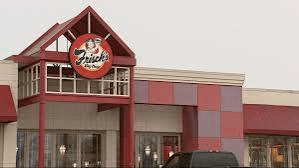
If you’ve driven past a shuttered Frisch’s Big Boy recently, or heard that more locations are closing, it’s fair to wonder whether the chain is disappearing for good. The short answer is more complicated than a simple yes or no — and getting it wrong in either direction doesn’t help anyone trying to figure out what’s actually happening.
This article covers whether Frisch’s is fully going out of business, why so many locations have closed, what the 2015 ownership change had to do with it, and what things look like heading into 2025.
The Short Answer: Frisch’s Is Not Confirmed to Be Fully Closing
Frisch’s has not filed a blanket bankruptcy or announced a complete shutdown of all its restaurants. What has happened is real and serious — but it’s not the same thing as the entire chain being finished.
The chain has closed a significant number of locations. Reporting from the Cincinnati Enquirer in June 2024 confirmed five closures at once and noted that Frisch’s had shrunk by nearly a third since being sold to a private equity firm in 2015. That’s a major contraction for any regional restaurant brand.
At the same time, some locations were still operating, and a 2025 report from Cincinnati.com indicated that Big Boy Restaurant Group had plans to reopen 55 former Frisch’s locations. That doesn’t sound like a brand that’s fully gone — it sounds like one that’s been through serious financial trouble and is trying to reorganize.
The most accurate way to describe the situation: Frisch’s is shrinking significantly and facing serious financial stress, but it has not been confirmed as completely out of business. The status of individual locations has been changing quickly, so the only reliable way to check a specific restaurant is through local news or a direct call to that location.
Why So Many Frisch’s Locations Have Closed
There isn’t one single cause. The closures have come from a combination of problems: ownership structure, unpaid rent, eviction disputes, and overall financial strain. Understanding that mix matters, because it changes what the closures actually mean.
Many of the shutdowns happened store by store, not through a single corporate decision to close everything. Several locations were tied directly to landlord disputes or eviction filings over unpaid rent. A manager at a Lexington, Kentucky location told LEX18 that the closure there was the result of a landlord dispute over late rent payments — not a company-wide shutdown order.
Yahoo News and News Center 7 reporting also linked former Frisch’s sites to eviction notices and rent problems. Court documents cited in financial coverage reportedly showed multimillion-dollar rent debt and multiple eviction actions filed against the company.
This is an important distinction. A restaurant chain can still exist as a brand even while individual stores close because of unpaid rent or lease disputes. Think of it like a retail chain that loses multiple storefronts after an ownership change and landlord conflicts — the name doesn’t disappear overnight, but the footprint shrinks fast.
COVID-19 played a role in earlier closures, but more recent reporting points more directly to lease obligations and ownership structure as the bigger drivers of what’s happened since 2022.
How the 2015 Private Equity Sale Changed Frisch’s Financial Position
This is where the root of the problem becomes clearer. In 2015, Frisch’s was purchased by an Atlanta-based private equity firm. After that sale, the company entered into what’s called a sale-leaseback arrangement on some of its properties.
Here’s what that means in plain terms: The company sold real estate it previously owned, collected cash from those sales, and then agreed to rent those same locations back from whoever bought them. It’s a way to raise money quickly, but it comes with a cost — you go from being a property owner to being a long-term tenant.
That works fine when sales are strong and rent is manageable. It becomes a serious problem when sales fall and the rent obligations stay fixed. You no longer have the flexibility of owning your building outright, and if cash flow dries up, the rent bills pile up fast.
WCPO reporting cited expert commentary pointing to this ownership change and the sale-leaseback structure as key factors behind the chain’s current financial troubles. The eviction pressure from landlords and REIT entities that followed is a direct result of that shift — Frisch’s stopped being a property owner and became vulnerable to exactly the kind of rent disputes that have been driving closures.
Private equity acquisitions of restaurant chains often follow this pattern. The company gets a cash injection upfront, but the long-term obligations created by the leaseback can become unsustainable if the business hits a rough stretch.
Which Areas Have Been Hit Hardest by the Closures
Frisch’s is a regional chain. Its roots run deep in Greater Cincinnati and parts of Kentucky, which means the closures carry more weight there than they would for a national chain with thousands of locations spread across the country.
The Cincinnati area and Lexington, Kentucky have seen documented closures. The Cincinnati Business Courier reported on a Lebanon, Ohio location permanently closing. Cincinnati.com documented a West Price Hill closure. The Lexington closures were covered by LEX18 and tied directly to rent disputes.
For customers in those markets, the situation can be genuinely confusing. One nearby Frisch’s might be permanently closed while another location a few miles away is still serving customers. That inconsistency makes it hard to know whether “Frisch’s” is still open or not — because the answer depends entirely on which specific location you’re asking about.
Some closures happened with very little notice, leaving regular customers without warning. That’s been part of what makes this feel like a sudden collapse to many people in the region, even though the financial pressure behind it had been building for years.
If you’re trying to find out whether a specific Frisch’s near you is still open, check local news coverage or call that location directly. This article isn’t a live tracker, and the situation has been changing too quickly for any single source to serve as a reliable real-time guide.
What Comes Next for the Frisch’s Brand
The fact that Big Boy Restaurant Group was reportedly planning to reopen 55 former Frisch’s locations as of early 2025 suggests the brand hasn’t fully collapsed. Whether those reopenings happen on schedule, or at all, depends on financing, lease agreements, and market conditions that aren’t fully public yet.
What’s clear is that Frisch’s as a concept still has name recognition in its home market. That’s worth something. Whether the restructured version of the brand ends up looking much like the original — same menus, same feel, same locations — is a different question entirely.
For people following the story, resources like SlideJournal cover business developments including restaurant industry changes, and local outlets like WCPO, the Cincinnati Business Courier, and Cincinnati.com have been the most reliable sources for specific closure updates.
The Bottom Line
Frisch’s is not confirmed to be fully going out of business, but it has closed a large number of locations and is facing real financial pressure. The closures come from a combination of rent disputes, eviction actions, and the structural consequences of a 2015 private equity sale that left the chain in a weaker financial position than before.
The situation is still developing. Saying “Frisch’s is completely done” overstates what’s confirmed. But saying “everything is fine” would be just as wrong. The honest picture is a regional chain that has contracted sharply and is navigating serious trouble, with its future still uncertain as of 2025.
If you have a specific Frisch’s location in mind, check directly rather than assuming it’s open or closed based on general coverage of the chain.
Also Read This: