

Air Wisconsin made headlines in 2025 after laying off hundreds of workers and ending its flying contract with American Airlines. A lot of people assumed the airline was simply done — closed, finished, gone. That assumption is understandable, but it is not quite accurate.
This article covers what actually happened: whether Air Wisconsin is truly out of business, why it ended its American Airlines partnership, what the layoffs really mean, who owns the airline now, and what it is doing instead of scheduled regional flying.
The Short Answer: Air Wisconsin Is Not Permanently Closed
Air Wisconsin has not shut down. It has not filed for bankruptcy. It is not in liquidation.
What did happen is significant: the airline ended its main line of business — regional flying under the American Eagle brand — and went through a major ownership change. That is a big deal, but it is not the same as going out of business.
By January 2026, Air Wisconsin had been acquired by CSI Aviation and was operating government-contracted flights. The company still exists. It just looks very different from what most passengers knew it as.
The important distinction here is between closing a major contract and closing the company. Air Wisconsin did the first, not the second.
Why Air Wisconsin Stopped Flying for American Airlines
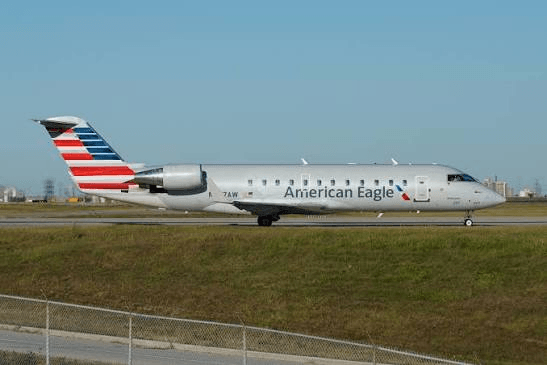
For years, Air Wisconsin operated regional flights under the American Eagle brand. It flew CRJ-200 aircraft on short routes, connecting smaller cities to American’s larger network. This was the airline’s primary and most visible work.
American Airlines reduced and then ended its regional contract with Air Wisconsin. The final Air Wisconsin-operated American Eagle flights ran on April 3, 2025. After that date, Air Wisconsin no longer flew under the American Eagle name.
According to reporting from Cranky Flier, American pulled back from the Eagle partnership, and Air Wisconsin announced it was terminating its CRJ-200 operations for American in order to pursue independent operations.
Losing that contract was a serious blow. Think of it like a factory losing its biggest client. The business might still exist, but it suddenly has far less revenue and must rebuild from a much smaller base. That is exactly the situation Air Wisconsin found itself in after April 2025.
The contract loss also removed the airline’s public visibility almost entirely. Most passengers only knew Air Wisconsin because they saw it operating American Eagle flights. Once that stopped, it looked like the airline had disappeared — even though the legal entity and its operating certificate were still in place.
What the Layoffs Actually Mean
When people hear “mass layoffs,” they often assume the company is shutting down. That is not always the case, and it is not the case here.
Air Wisconsin issued WARN notices to employees. A WARN notice is a legally required notification that a company must send when it plans significant layoffs. It is not a notice of business closure. It signals that jobs are being cut — which is serious — but it does not mean the company is disappearing.
The numbers were significant. TMJ4 reported that up to 513 workers were affected after Air Wisconsin ceased operations with American Airlines. NBC 26 reported that 253 employees were specifically named in WARN notices, with potential furloughs starting as early as October 28, 2025. The layoffs were concentrated in Wisconsin, particularly in Appleton and Milwaukee, where Air Wisconsin had its largest workforce.
These layoffs represented real hardship for real people. Many of them were union employees with years of experience in regional aviation. Losing those jobs is not a minor issue.
But from a business status standpoint, layoffs are part of restructuring — not proof of liquidation. Companies reduce their workforce all the time when contracts end or operations change. The layoffs at Air Wisconsin were tied directly to the loss of the American Airlines contract and the transition to a different operating model.
Some of the furloughs were also described as part of a transition and possible sale process, which means the company was actively working toward a future, not simply winding down.
The Sale Process and Who Owns Air Wisconsin Now
While the layoffs were happening, Air Wisconsin’s owner at the time — Harbor Diversified — was working on a sale. Harbor Diversified entered a non-binding letter of intent to sell Air Wisconsin, including the airline’s air carrier certificate, its aircraft, and related equipment.
The air carrier certificate is a critical detail. That certificate is what allows an airline to legally operate in the United States. It takes significant time, money, and regulatory work to obtain one. Buying a company specifically to get its certificate is a reason to keep the operation alive, not close it.
In January 2026, CSI Aviation completed the acquisition of Air Wisconsin. CSI Aviation is a company with experience in charter and government-contracted aviation. After completing the purchase, CSI began operating government-contracted flights using Air Wisconsin.
So as of early 2026, Air Wisconsin had a new owner and a new type of flying. The brand and operating certificate survived the transition. The regional scheduled service model did not.
What Air Wisconsin Does Now Instead of Scheduled Passenger Flights
This is where the airline’s story takes a clear turn. Air Wisconsin is no longer operating as a regional feeder airline for a major carrier. Instead, it shifted toward two different types of flying: charter operations and Essential Air Service routes.
Essential Air Service (EAS) is a federal program that subsidizes air service to smaller communities that would otherwise lose all access to commercial aviation. These are towns and cities where airlines would not fly without government funding because the routes are not profitable on their own. The program ensures those communities stay connected to the national air network.
Air Wisconsin announced it was moving toward EAS markets and charter operations as part of its independent strategy — away from operating under a major airline’s brand entirely.
After the CSI Aviation acquisition, government-contracted flights became part of the airline’s active operations. CSI Aviation has experience in this area, which is likely part of why the acquisition made sense for both parties.
A useful comparison: think of a retailer that closes its largest department — say, electronics — but keeps the rest of the store open and restructures around a different product line. The store is still there. The business is still running. It just serves a different purpose now.
That is roughly what happened with Air Wisconsin. The scheduled regional flying under the American Eagle brand is gone. The airline itself, under new ownership and a different model, is still operating.
For readers looking to follow this kind of business story more closely, SlideJournal covers business transitions, restructuring, and industry news in plain language.
Why This Matters Beyond Air Wisconsin
Air Wisconsin’s situation is not unique. It reflects a broader challenge facing the entire regional airline industry.
Regional carriers almost always depend heavily on contracts with major airlines. When those contracts end — whether because the major airline changes strategy, retires specific aircraft types, or restructures its network — the regional operator can find itself with little revenue and no clear path forward.
The CRJ-200 aircraft that Air Wisconsin flew for American are older, smaller jets. Major airlines have been moving away from these planes for years. Air Wisconsin’s contract loss was part of that larger industry shift, not an isolated business failure.
Understanding that context matters. It explains why the airline could not simply replace the American contract with a similar one from another carrier. The market for CRJ-200 flying under major airline brands has been shrinking for years.
Bottom Line
Air Wisconsin is not out of business. It ended a major contract, went through significant layoffs, changed ownership, and shifted to a different type of flying. Each of those things is serious, but together they describe a restructuring, not a shutdown.
As of January 2026, CSI Aviation owns the airline and is using it for government-contracted operations. The Air Wisconsin air carrier certificate — one of the company’s most valuable assets — survived the transition and is actively being used.
For the hundreds of employees who lost jobs in Wisconsin, none of this makes the situation easy. Those layoffs were real and the impact on local communities was significant. But the airline itself continues to exist, just in a form that most passengers will never directly encounter.
If you were wondering whether Air Wisconsin quietly disappeared — it did not. It changed, and what it became looks very different from what it was.
Also Read This: